



October 15, 2026
Receive a personalized quote quickly—simply fill out the form below!
If you’re planning a new deck or replacing an old one, Michigan’s brutal winters should factor heavily into your material choice. Between heavy snow loads, repeated freeze-thaw cycles, road salt runoff, and months of moisture exposure, your decking material takes a real beating from November through March. Two of the most popular options, wood and composite, handle these conditions very differently, and understanding those differences can save you money and headaches down the road. Let’s break down how each material performs when the temperature drops and the snow starts piling up.
Traditional wood decking, whether it’s pressure-treated pine, cedar, or a premium hardwood, has been the go-to choice for generations of Michigan homeowners. Wood offers a classic, natural look and can be more affordable upfront, but it requires consistent maintenance to survive winter conditions well. Without proper sealing, wood absorbs moisture that freezes and expands inside the grain, leading to cracking, splitting, and warping over time. Even well-maintained wood decks typically need re-staining or re-sealing every two to three years to keep that protective barrier intact.
Freeze-thaw cycles are especially hard on wood because Michigan winters rarely stay consistently cold. Temperatures bounce above and below freezing repeatedly, which means the moisture trapped in wood fibers expands and contracts over and over throughout the season. This constant movement weakens the wood’s structural integrity faster than a steady, unchanging cold would. Softwoods like pine are particularly vulnerable to this cycle, while denser woods like cedar or tropical hardwoods tend to fare somewhat better, though never immune.
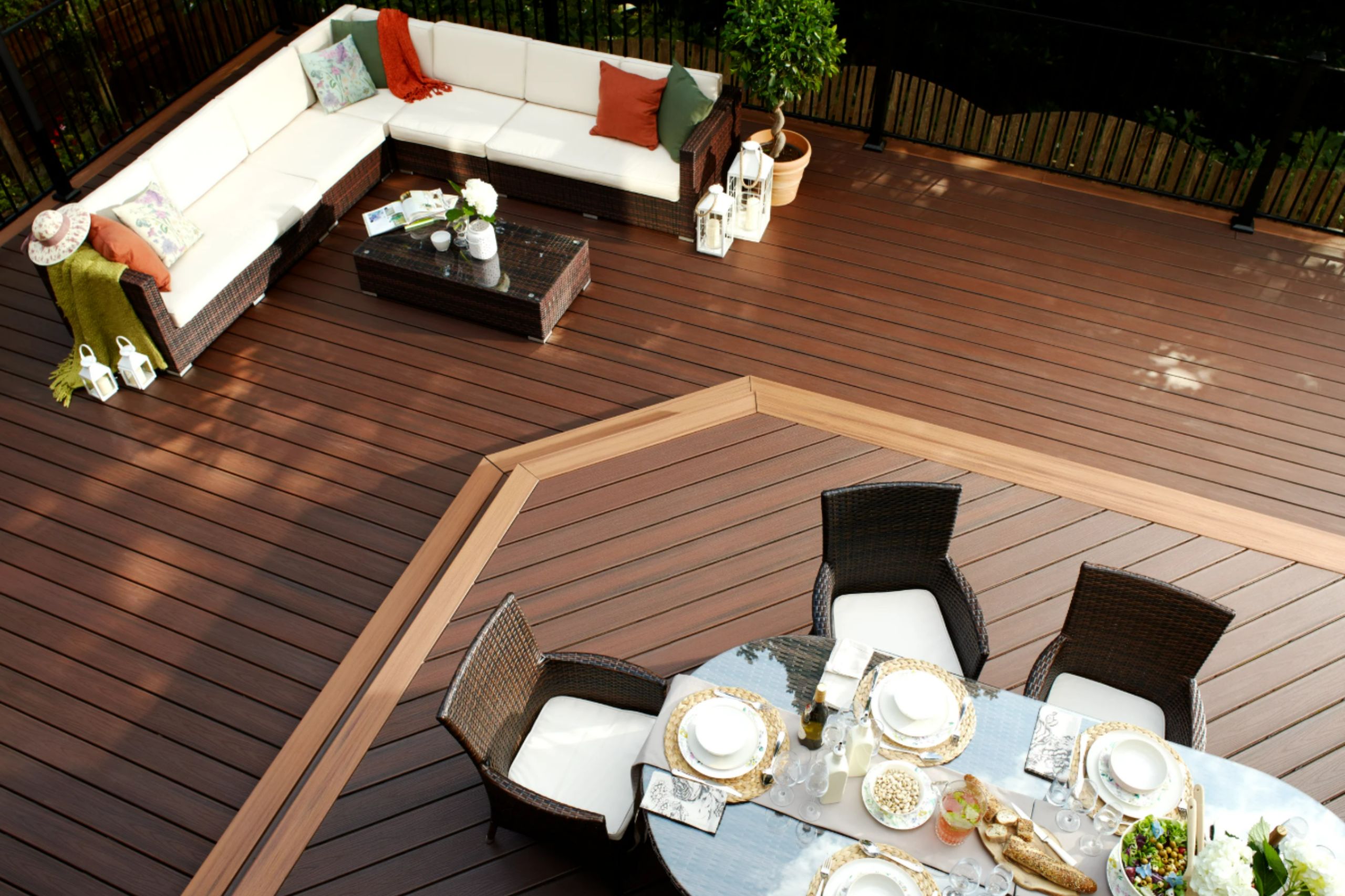
Composite decking, made from a blend of wood fibers and recycled plastic, was engineered specifically to resist the moisture problems that plague traditional wood. Because composite boards don’t absorb water the way natural wood does, they’re far less susceptible to the freeze-thaw damage that causes cracking and splitting. This makes composite an increasingly popular choice for Michigan homeowners who want a durable, low-maintenance option that can handle brutal winters year after year. Most composite products also resist mold, mildew, and rot even when snow sits on the surface for extended periods.
That said, composite decking isn’t entirely without winter-related considerations. Extreme cold can make some composite materials slightly more brittle, so it’s still wise to use a plastic shovel rather than metal to avoid surface scratches. Composite boards can also expand and contract with temperature swings, so proper installation with adequate gapping is essential to prevent buckling. When installed correctly, though, composite decking generally shows far less visible wear after a Michigan winter compared to untreated or poorly maintained wood.
Wood decks require the most hands-on care to survive a Michigan winter without significant damage. This means cleaning the surface each fall, checking and reapplying sealant as needed, and inspecting for loose boards or popped fasteners before the first snowfall. Throughout the winter, homeowners need to stay vigilant about snow and ice removal, always using non-metal tools and avoiding harsh rock salt that can further degrade the wood. Skipping any of these steps even once can shorten a wood deck’s usable lifespan considerably.
Composite decking demands far less seasonal upkeep, which is a major selling point for busy homeowners. A simple fall cleaning to clear debris from the gaps is typically all that’s needed, since there’s no staining or sealing required. Snow and ice removal is still necessary, and the same advice about avoiding metal shovels and chloride-based salts applies to composite just as it does to wood. Overall, though, composite owners spend a fraction of the time and money on winter prep compared to wood deck owners.
When it comes to sheer lifespan in Michigan’s climate, composite decking generally outperforms wood by a significant margin. Quality composite products often come with warranties ranging from 25 to 50 years, and many homeowners report minimal winter-related wear even after a decade or more of harsh seasons. Wood decks, even when meticulously maintained, typically need major repairs or full replacement within 15 to 20 years due to the cumulative effects of moisture and freeze-thaw damage. The higher upfront cost of composite often pays for itself through reduced maintenance and replacement expenses over time.
Wood does still hold appeal for homeowners who prioritize a natural aesthetic or plan to sell their home before winter wear becomes a major issue. It’s also worth noting that repairs to wood decking are often simpler and cheaper on a board-by-board basis than repairing damaged composite sections. For anyone building a deck they intend to keep for decades, though, composite’s resistance to Michigan’s harshest weather makes it the more resilient long-term investment. The right choice ultimately depends on your budget, maintenance tolerance, and how long you plan to enjoy your outdoor space.
Both wood and composite decking can survive a Michigan winter, but they ask very different things of homeowners in return. Wood offers timeless beauty and a lower upfront cost, provided you’re willing to commit to regular sealing, cleaning, and careful snow removal every single year. Composite trades that classic look for significantly less maintenance and stronger resistance to the freeze-thaw cycles that define Midwest winters. Whichever material you choose, understanding how it responds to cold, moisture, and snow load will help you protect your investment and enjoy your deck for many winters to come.

Schedule a Consultation for Expert Guidance and Limited-Time Savings
© 2026 Decks Unlimited , LLC | All rights reserved
 734-316-4749